<!DOCTYPE html>
Why Metal Siding is No Longer Just for Commercial Buildings
Why Metal Siding is No Longer Just for Commercial Buildings
Across San Francisco, metal siding has moved from shipyards and loft conversions to Victorians, mid-century flats, and new infill homes. The shift is practical. The city’s fog, salt air, and tight lot lines ask for materials that shed water, resist corrosion, and cut maintenance without losing curb appeal. Properly detailed aluminum and steel panels can do this job. They can also blend with historic trim or modern lines from Pacific Heights to the Sunset and from Noe Valley to Potrero Hill.
Why San Francisco homes benefit from metal cladding
San Francisco sits on the Northern California Coast with steady moisture and wind. Fog blankets the Richmond District and The Sunset. Salt spray rides inside the Bay from the Marina to Mission Bay. Old siding sees constant wetting and drying. That cycle drives dry rot, peeling paint, and swollen trim. Many homes still carry aging stucco with cracks that wick moisture into sheathing. Others have wood cladding that holds water in shaded alleys or behind planters on narrow lot lines. Metal siding, installed as part of a ventilated rainscreen, changes the equation.
Aluminum and steel panels do not absorb water. Panels can form a pressure-equalized cavity over a weather-resistive barrier. This breaks capillary action and sheds bulk water. It also allows the wall to dry. When crews combine this with proper flashing, high-quality fasteners, and smart dissimilar-metal isolation, the assembly stands up to the city’s microclimates. The result is a quieter, warmer envelope with fewer callbacks for Siding Repair and Exterior Waterproofing.
The technical case: rainscreen science for a coastal city
A metal-clad rainscreen starts with continuous sheathing. Crews apply a code-approved weather-resistive barrier with taped seams. They include vertical furring strips to form a 3/8 to 3/4 inch gap. They set panels over this cavity. This creates a drainage path and a ventilated space. Stack effect and wind wash move air through the cavity. The system dries faster than face-nailed wood or direct-applied stucco. This matters in San Francisco zip codes 94121 and 94122, where fog lingers and sun breaks late.
Fasteners and flashings decide whether a metal system lasts. Installers use stainless steel or coated fasteners that match the galvanic series for the panel metal. They isolate aluminum from treated framing with inert shims. They protect cut edges with manufacturer-approved sealants. At transitions, they integrate head flashings and Z trims into the weather barrier with self-adhered flashing tape. Proper kick-out flashings at roof-to-wall joints stop water from dumping into the cavity. These details are small. They stop big problems like Moisture Infiltration and hidden Dry Rot.
Panel finishes drive long-term color stability. Coastal fluoro-polymer coatings like Kynar 500 hold up to UV and salt. In fog belts like the Richmond District, they resist chalking. In sun-exposed slopes like Potrero Hill and Noe Valley, they resist fade. Clear anodized aluminum stands up in the Marina District where salt exposure is higher. Steel options with G90 or AZ50 coatings resist corrosion if edges and penetrations are sealed with the right touch. These are the moves that separation-minded siding contractors in San Francisco bring to the table.
From warehouse to Victorian: style range without compromise
Many homeowners picture ribbed industrial panels. Residential metal cladding covers a wider set of profiles. Flat or lightly profiled steel looks clean on a Marina two-flat. Small-scale flush reveals can match the rhythm of a Pacific Heights Edwardian without losing the deep shadow lines that define the street. Custom Trim Work recreates brackets, belly bands, or crown under eaves using bent aluminum or coated steel. Installers can float panels behind preserved wood corbels. They can set metal to meet restored Cedar Shingles at dormers or bays.
For painted looks, metal delivers tight tolerances. Horizontal reveals align with window heads. Vertical joints stack with downspouts and corners. With careful layout, panel seams hide behind bays and porch returns. In Haight-Ashbury, teams often keep the front facade in historic materials. They use fiber cement or cedar on the street face and switch to metal along side and rear elevations that take the brunt of wind and salt air. This hybrid strategy respects Historic Preservation Commission guidance while reducing maintenance where it counts.
Comparing materials in San Francisco conditions
Fiber Cement Siding like James Hardie HZ10 performs well in fog and salt air. The HZ10 platform handles the coastal H2O load. Its paint holds, and it resists termites. Cedar Shingles and grade-A cedar siding have a warm look that many owners want. Cedar can thrive with proper back-venting and finish, though it needs re-coating on a cycle. Vinyl Siding is rare within the city due to tight parcel lines, fire spread rules, and its look on older streets. Engineered Wood such as LP SmartSide offers a natural texture with factory finishes that hold up. Stucco can last for decades if cracks get sealed and flashings are solid. Each choice has a place.
Metal stands apart for dimensional stability and zero swelling. It can go up fast in narrow side yards off scaffold or mast climbers. It does not burden historic trim with weight. It sheds water and helps heat flow by combining with insulated assemblies. Aluminum performs well near the Marina District and Sea Cliff because it does not rust. Steel has greater dent resistance, which helps along lanes where trash bins and bikes tap panels. The choice becomes a map-driven call that considers zip codes 94123 and 94124 differently than 94114 or 94117.
On energy performance, insulated assemblies matter more than the skin alone. Crews can add continuous foam behind furring. They can set high-performance Milgard windows into new openings with proper flash pans and back dams. Sealing the envelope reduces High Energy Bills tied to Poor Insulation. Metal cladding then acts as the durable rain shed for the system, not the insulator. This approach meets California Title 24 goals while fitting San Francisco’s lot constraints.
Engineering details that separate a solid install from a problem
Corrosion control is step one. Dissimilar metals can create a battery in the presence of salt air. Installers avoid direct contact between copper and aluminum. They choose compatible sealants. They break contact at fasteners with coated screws or gaskets. Field cuts get sealed. Penetrations at vents and lights get boots that clamp to the panel and tie into the barrier. Crews verify the weather barrier laps shingle-style at every joint.
Thermal movement is step two. Metal expands and contracts with temperature swings. Panels need slotted holes or clip systems that allow a small slide. Trims must hide this without pinching the panel. In the Sunset and Richmond, daily swings can be mild. In Potrero Hill or the Mission District, sun on a dark panel can make movement noticeable. Expansion joints at long runs absorb this. Crews plan panel courses so that joints align with window centers or building jogs. The look stays clean while the system breathes.
Sound is step three. Many clients ask about rain noise. The ventilated cavity and sheathing damp it. Mineral wool in the stud bays helps. Window upgrades remove a major path for street sound. With these moves in place, a metal-clad wall is no noisier than fiber cement or engineered wood.
Where metal siding shines across the city
In Pacific Heights and the Marina District, homes face bayside wind. A panel system with robust edge flashings holds the line where wind-driven rain hits hard. In the Mission District and Noe Valley, narrow side yards trap moisture and shade walls. A ventilated metal system dries out these lanes. In the Richmond District and The Sunset, fog sprays salt water on west-facing walls. Aluminum with a marine-grade coating stands up. On Potrero Hill and Dogpatch infill, steel profiles match the industrial roots while warming the street with a fine matte finish.
Across zip codes 94102, 94107, 94110, 94112, 94114, 94117, 94121, 94122, 94123, and 94124, the same goals apply. Stop Moisture Infiltration. Remove Dry Rot before new cladding. Address Termite Damage where plates and sills show trails. Tighten window and door flashings. Set new panels over a ventilated cavity. These steps reduce callbacks and keep paint and coatings in spec cycles. Siding contractors San Francisco residents hire for repeat work stick to this recipe.
Permits, inspections, and San Francisco DBI compliance
Re-siding work in San Francisco usually needs a Department of Building Inspection permit. In-kind replacement may qualify for a simpler path through the online portal. A switch from stucco or wood to metal panels needs plan review. Crews submit elevations that show panel layout and trim. They note fire ratings at lot lines. They include a fastening schedule and rainscreen section cut. They verify 2026 DBI Permit Compliance at each phase. For street-facing changes in historic districts, applicants coordinate with the Planning Department and, when needed, the Historic Preservation Commission.
Inspections focus on the weather-resistive barrier and flashings before cladding covers the wall. Inspectors want clean laps and pan flashing at windows. They look at head flashings and kick-outs. They study clearance at grade and roofs. They confirm corrosion-resistant fasteners and anchors. Good crews invite inspectors at the right stage. They leave windows open for visibility. They document changes to framing with photos. This pace keeps the project moving in tight timelines that respect neighbors and street parking limits.
How metal plays with other systems during restoration
Few San Francisco projects swap every surface to metal. Most blend materials. Fiber Cement Siding by James Hardie still leads on many street fronts. The HZ10 line is tuned for sea air, rain, and UV. Crews use it for channel siding or lap cladding, then wrap the sides with steel or aluminum panels for durability in alleys. LP SmartSide offers a natural grain for bays and trim boards. Cedar Shingles restore character on upper stories. Stucco repair can refresh a ground floor. Metal at the rear decks shrugs off grill smoke and hose water. This mixed approach pairs performance and local character.
Window Replacement plays a central role as well. Many Mission and Noe Valley flats have original double-hung windows that leak air. New Milgard fiberglass or aluminum-clad units improve comfort. Installers integrate back dams, sill pans, and flexible flashing. They tie the window flange or buck to the weather barrier, so the rainscreen can drain. Custom Trim Work bridges modern cladding to historic casing with shadow lines and profiles that belong on the block.
Dry Rot Removal and Facade Restoration require judgment. Crews probe sills, rim joists, and lower studs. They cut back to solid wood, treat remaining fibers, and replace with matching species. They use epoxy repair in place where removal would damage preserved trim. Only then do they close the wall with new barrier and cladding. This avoids trapping wet, which is a common cause of new paint failure and hidden rot within the first year.
Myths, real numbers, and maintenance reality
Cost comparisons depend on profile, access, and substrate repair. In San Francisco, many re-siding projects include scaffold, lead-safe practices for pre-1978 paint, and DBI compliance tasks. A flat panel metal profile can price near premium fiber cement with custom reveals when access is good. Complex standing seam profiles can price higher. The long-run maintenance curve, however, bends in metal’s favor. Homeowners can expect to wash panels with mild soap and water once or twice a year. They can inspect sealant joints on a 5 to 7 year cycle. Factory finishes often carry 20 to 30 year color warranties. These intervals beat repainting wood or managing hairline stucco cracks after seismic settling.
Another myth concerns heat. Some fear metal will overheat interiors. In a ventilated rainscreen with continuous insulation, heat does not travel straight into the studs. Light-colored coatings reduce solar gain. Even dark panels perform well when the cavity vents. A short site visit with an infrared camera in the Mission on a sunny afternoon will show the effect. The cavity breaks thermal load, so inside surfaces track with other claddings, not higher.
Standards, brands, and what signals quality
Homeowners can read quality in the details and in the paperwork. Diamond Certified Contractors and firms with a BBB A+ Rating have third-party proof of service. EPA Lead-Safe Certified crews handle old paint safely on pre-1978 homes in Haight-Ashbury, Noe Valley, and the Richmond. GuildQuality Rated feedback adds clarity on jobsite manners and schedule control. In metal systems, panel suppliers vary. Many teams also install fiber cement from James Hardie as Elite Preferred Contractors, which sets a bar for layout, fastening, and weather management. These same skills carry into metal assemblies. LP SmartSide trims, CertainTeed accessories, and Owens Corning weather barriers can round out the system. Milgard window integration shows depth in envelope work. This cross-brand fluency signals that the crew can manage the whole wall, not just the skin.
The city’s tight lots change how crews work
On a 25-foot-wide parcel with zero lot line clearance, job staging becomes a design question. Crews plan deliveries in off-street windows. They use smaller lifts or rolling towers. They protect neighbor windows and vehicles. They keep sidewalks clear in busy zones like 94102 and 94107. Clean worksite management reduces friction and keeps Project Notices off the fence. Careful site boundaries also protect new panels from dents and scrapes during the last week when trades overlap.
Sound and dust rules matter too. In-fill work near Pacific Heights or the Marina requires polite scheduling, clear signage, and tight debris control. Contractors that manage these moves get better neighbor relations. They also protect the envelope. Panels go up clean. Sealants cure without dust embedded. Paint touch-ups match the shop finish. These steps leave the facade strong on day one.
When metal is the smart call
Some projects point straight to metal from the first walk-through. West-facing walls with peeling paint and cupped clapboard. Narrow alleys soaked by fog and lawn irrigation. Rear elevations hacked by decades of porch additions. Rental buildings where long repaint cycles hurt cash flow. Properties with termite hits to base trim that invite water. The right panel system, with solid details, can halt this spiral.
Fast cues that favor aluminum or steel on a San Francisco home
- Persistent Moisture Infiltration along side yards in 94121 or 94122
- Cracking Stucco at rear elevations with poor flashing in 94110 or 94112
- Dry Rot at sills and rim joists behind downspouts in 94123 or 94124
- High Energy Bills and cold rooms near uninsulated walls in 94114 or 94117
- Termite Damage at base trim and belly bands in fog-heavy blocks
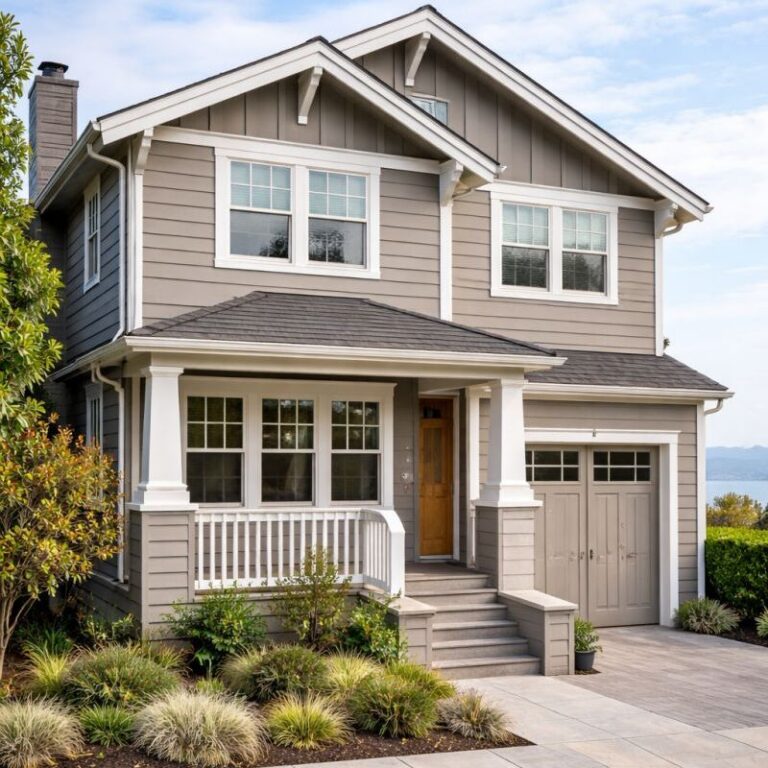
Each sign points to the envelope. A ventilated metal rainscreen over fresh framing repairs solves the cause, not the paint. This is why experienced siding contractors San Francisco homeowners call first focus on the wall science before picking a panel profile.
Historic streets and respectful modernization
San Francisco protects its architectural DNA. Haight-Ashbury, Alamo Square, and blocks of Noe Valley and Pacific Heights feature bay windows, brackets, and crown lines worth saving. Owners can still gain durability. Crews can mill custom cedar or fiber cement for front facades and work metal on non-visible sides. They can re-create window hoods with metal trim and keep the original shadow lines. They can keep the front cornice and swap rear cornice boards for bent metal that reads the same from the yard. These moves pass plan check with clear drawings and samples. They also extend service life along the walls that neighbors rarely see but water always finds.
Service scope that supports a full envelope fix
Metal cladding becomes the finish layer. The work beneath solves problems for good. That calls for a contractor who covers Siding Installation, Siding Repair, Exterior Waterproofing, and Dry Rot Removal. On older homes, Facade Restoration and Custom Trim Work play equal roles. The crew that ties all this together reduces risk. They can handle window replacements, integrate head flashings, and blend materials so the home looks like it belongs on the block. They can spot venting issues and fix deck ledger flashing before the next storm.
Material fluency is the other half. Fiber Cement Siding by James Hardie, Cedar Shingles, Stucco patches, Insulated Vinyl where code allows, Engineered Wood from LP SmartSide, plus Aluminum and Steel Siding. A contractor who moves across these materials can pick the right tool for each facade. They are not locked into one brand story. They respond to the microclimate at 10th and Irving differently than at Divisadero and Pacific.
Energy, comfort, and Title 24 in simple terms
San Francisco’s climate is mild. Heat still leaks through uninsulated walls and old windows. An insulated wall with a ventilated cladding checks two boxes. It uses continuous insulation to cut thermal bridges. It dries out fast because the cavity vents. New Milgard windows with warm-edge spacers and proper flashing bring the system together. The result is a quieter home with steadier temperatures. The work aligns with California’s Title 24 without strange details that complicate the job.
Insulated Vinyl Siding is not a common choice inside the city. Where lot lines and fire ratings allow, it can help on secondary structures. Engineered Wood trim with back-primed edges gives long paint cycles around window casings. James Hardie HZ10 fiber cement handles salt air on front facades. Metal on the sides and rear finishes the envelope with a maintenance win. This is a practical path that many blocks in 94107, 94110, and 94123 have taken over the last decade.
What a clean, code-ready install looks like
A walkthrough before demo notes downspouts, vents, and electrical penetrations. Crews sketch panel seams around these points. They order trims bent to fit odd Victorian angles. On day one, they protect neighbor paths and plantings. Demo exposes framing. Dry Rot comes out. Termite Damage gets treated and replaced. New sheathing goes in plumb. The weather-resistive barrier wraps the shell with taped seams. Window openings get pan flashings and back dams. Head flashings lap shingle-style over the barrier.
Furring strips go up straight to keep reveals true. Continuous insulation fits tight between furring where the plan calls for it. Panels hang from clips or fasteners per specification. Trim lands right at corners and band lines. Sealant joints sit on bond breakers. Penetrations get boots and counterflashing. The crew washes panels at handover. A punch list checks clearances, fastener finishes, and sealant beads. Photos of hidden layers go into the project file. This record helps with warranty claims and future service.
Homeowner prep that speeds permits and pricing
A little prep helps contractors price the job and secure permits. Photos of each facade show access and conditions. Utility maps help plan shutoffs. Historic details get measured for Custom Trim Work. Owners can also check HOA rules or city planning notes early. This saves weeks on the front end.
Quick homeowner checklist before requesting a free estimate
- Confirm property address, zip code, and any historic status
- List active leaks, peeling paint zones, and drafty rooms
- Note window and door counts for possible replacement
- Gather prior permits or drawings for exterior work
- Decide on target profiles or sample photos for style
This prep helps siding contractors San Francisco teams produce accurate, line-item digital quotes that include materials, labor, and permit fees. It also sets clear expectations on schedule and site logistics in dense blocks.
Why the contractor choice matters more than the panel brand
Metal can be forgiving on the surface. Hidden details are not. Most failures trace to skipped flashing, bad fasteners, or poor substrate repair. A contractor with Warranty-Backed Craftsmanship puts time into these steps. They carry Manufacturer Partners with real training and support. James Hardie Elite Preferred status, while for fiber cement, signals high bar practices that extend to metal. So do affiliations like NARI, Diamond Certified, and a BBB A+ Rating. EPA Lead-Safe Certified teams protect occupants and neighbors from dust on older homes. GuildQuality reviews report how a crew behaves on-site. These markers point to solid outcomes across San Francisco’s varied housing stock.
Metal siding, clarified: what it is and what it is not
Modern residential metal siding is a set of engineered panels and trims. It is not a shortcut or a way to hide damage. It demands straight framing and mindful layout. It works best as part of a wall system with a ventilated cavity, quality weather barrier, and clean flashings at every edge. It plays well with wood, fiber cement, and stucco where that mix respects street character. It reduces maintenance cycles and protects walls in fog and salt air. It supports energy goals when paired with continuous insulation and tight window installs.
In San Francisco, these facts explain the shift. Owners want buildings that look right on the block and stand up to the Bay’s elements. Aluminum and steel panels, installed by local experts, check both columns. They cut repaint cycles on side yards that never dry. They clean up the rear where sun and wind beat the cladding. They bridge modern living with historic forms without forcing a full facade rewrite.
Local focus and service promise
San Francisco homes deserve crews who work the city’s terrain and code. From Pacific Heights to the Mission District, from the Sunset to the Richmond District, and through Noe Valley, the Marina District, Potrero Hill, and Haight-Ashbury, the best results come from a team that fixes the envelope and installs the cladding. That means true Siding Installation and Siding Repair, Exterior Waterproofing, Dry Rot Removal, Facade Restoration, and Custom Trim Work executed under 2026 DBI Permit Compliance. It also means Free Estimates, clear schedules, and Financing Available when helpful. Performance Guaranteed is not a slogan. It shows up in dry walls, quiet rooms, and facades that still look sharp at year ten.
Ready for next steps
Owners who have lived with peeling paint and damp side yards often think they must repaint again. There is a better path. A short site walk with a local expert can map the moisture paths, test the substrate, and lay out a plan that blends metal panels with the right mix of fiber cement, cedar, or stucco. The team can explain coating options for salt exposure in zip codes 94121 and 94122, expansion strategies for sunny slopes in 94107 and 94110, and trim details that respect historic profiles in 94114 and 94117.
Schedule a Free Estimate with siding contractors San Francisco trusts for envelope-first thinking. Expect a transparent digital quote with materials, labor, and permit fees. Expect photos of hidden issues and clear remedies. Expect a clean worksite plan that fits dense blocks and narrow lots. Expect warranties that stand behind the work. The Bay’s elements will not wait. A smarter wall can.